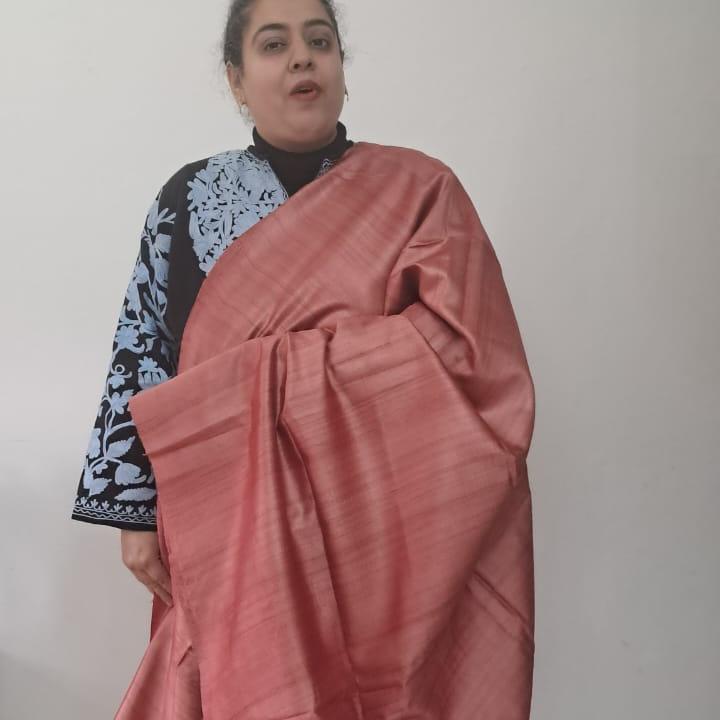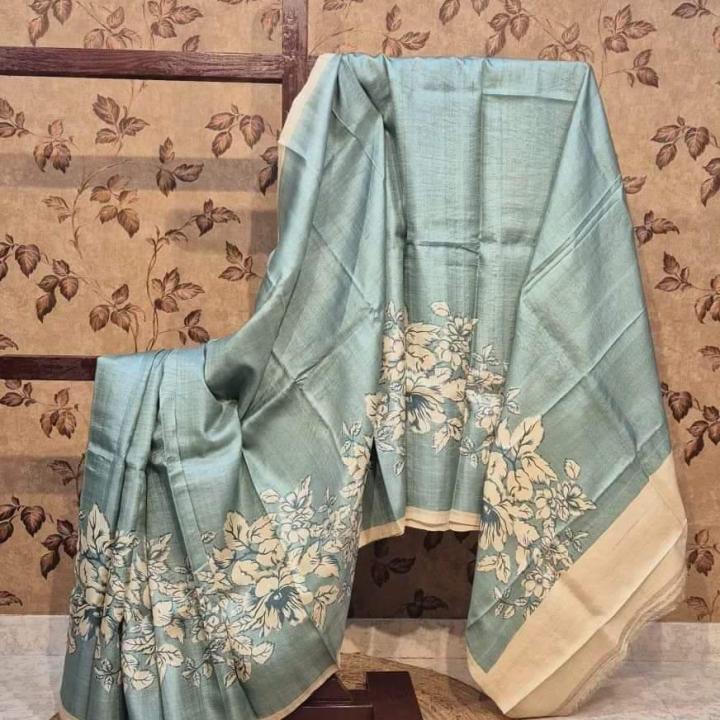
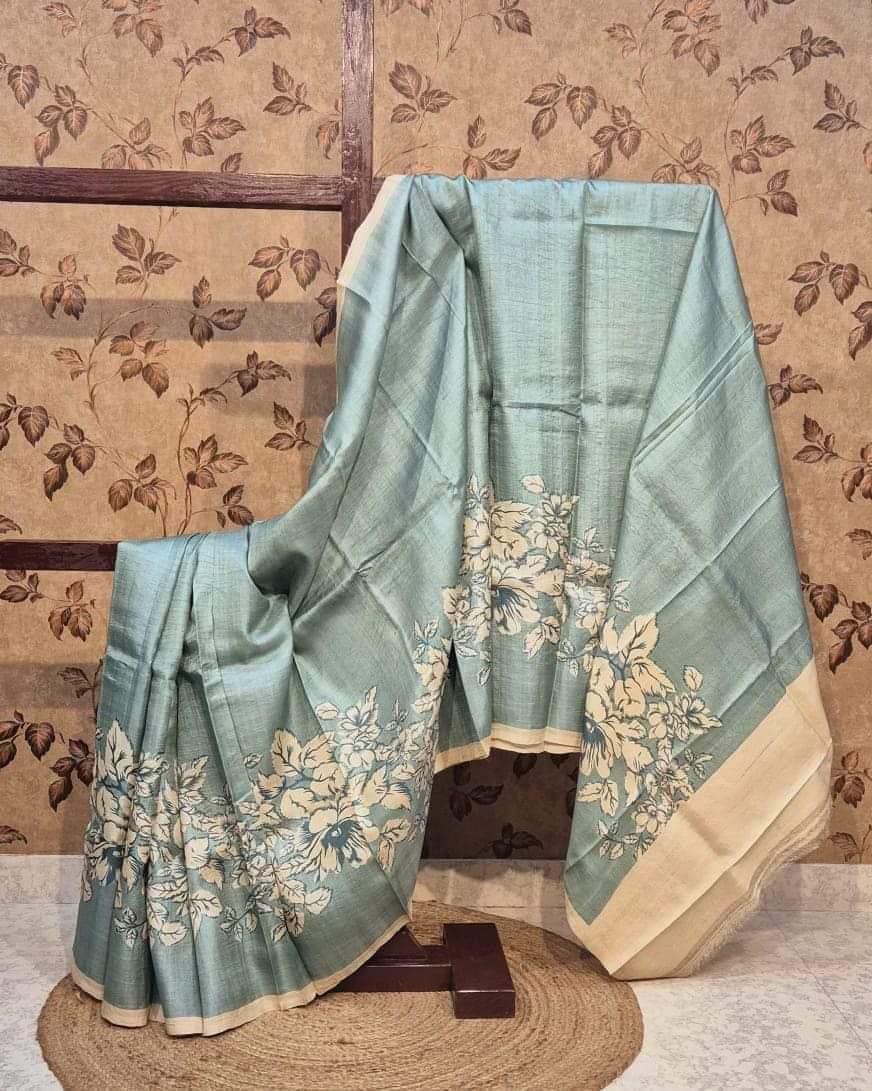
The Eco-Friendly Story Behind Tussar Silk Production
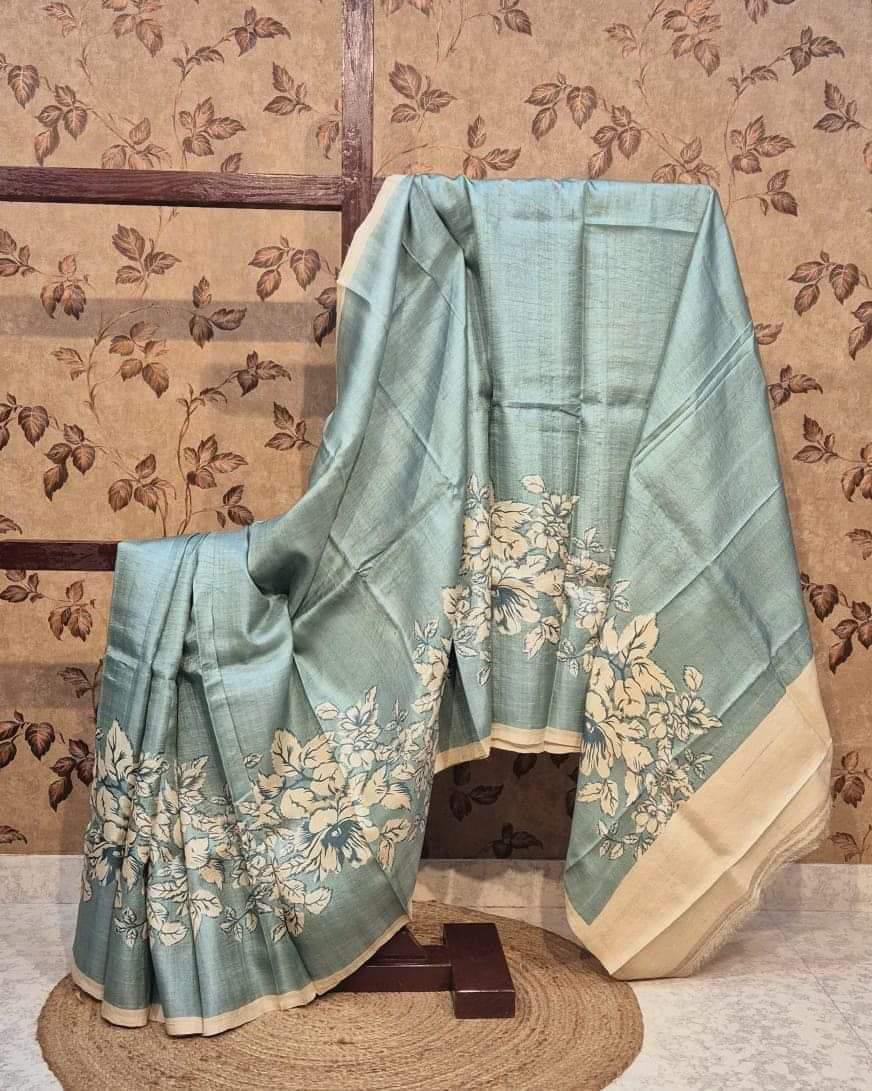
In a world where conscious fashion is becoming more than just a trend, Tussar silk stands out as a beautiful example of how luxury and sustainability can coexist. Known for its rich texture, natural golden sheen, and earthy appeal, Tussar silk—also called “wild silk”—has long been treasured in Indian textiles. But beyond its elegance lies an inspiring eco-friendly story that makes it one of the most sustainable fabrics in the silk family.
From forest-based cultivation to minimal environmental impact, the journey of Tussar silk is a remarkable blend of nature, heritage, and craftsmanship. Let’s explore how Tussar silk embodies true eco-conscious fashion.
1. A Forest-Friendly Origin: Silk Born From Nature
Unlike mulberry silk, which is produced through commercial farming, Tussar silk is derived from wild silkworms, primarily Antheraea Mylitta, living freely in natural forest habitats. These silkworms feed on trees like Asan, Arjun, and Sal, which grow abundantly in the wilderness of Jharkhand, Chhattisgarh, Bihar, and parts of Odisha.
Because the worms thrive naturally, no deforestation, pesticides, or artificial feed are required. This forest-dependent ecosystem ensures:
- Preservation of biodiversity
- Protection of natural flora
- Zero chemical involvement
- Sustainable lifecycle for silkworms and host trees
Essentially, Tussar silk production supports the forest rather than exploiting it—a rare characteristic in the textile industry.
2. Minimal Environmental Footprint
Tussar silk stands apart from many commercial textiles in terms of ecological impact. The production process requires very little water, making it much more environment-friendly than cotton farming, which is notorious for high water consumption.
Additionally:
- No synthetic fertilizers are used
- No chemical finishes are required
- Energy consumption is extremely low
From raw silk extraction to weaving, most of the work is done manually using traditional spinning wheels and handlooms. This reduces carbon emissions and keeps the entire process aligned with eco-conscious values.
3. A Sustainable Lifecycle: From Cocoon to Cloth
One of the most compelling aspects of Tussar silk is its biodegradability. Being a natural protein fiber, Tussar silk decomposes back into the earth without leaving harmful residues or microplastics. This makes Tussar fabric not only sustainable at the production stage but also at the end of its lifecycle, unlike synthetic fabrics that pile up in landfills.
Even the waste generated during Tussar silk processing is eco-friendly:
- Pupal remains are often used as natural manure
- Broken cocoons become raw material for spun Tussar yarn
- Leftover fibers are repurposed for embroidery or blended fabrics
Nothing goes to waste—nature is respected at every stage.
4. Ethical Harvesting: A More Humane Silk
Traditional silk production often involves boiling cocoons with the silkworm inside, but Tussar silk is different. Many communities follow the practice of Reeled Tussar or Ahimsa Tussar, where the moth leaves the cocoon naturally before it is harvested.
This ensures:
- A cruelty-free silk extraction process
- Eco-friendly and ethical textile production
- Support for conscious consumers seeking animal-friendly fashion
Though Ahimsa Tussar costs more effort and time, it aligns with sustainable living and responsible fashion values.
5. Empowering Tribal Communities and Local Artisans
Tussar silk is deeply rooted in the livelihood of tribal and rural communities across Eastern and Central India. These communities have nurtured the art of Tussar cultivation and weaving for generations.
Tussar silk production supports local economies by providing:
- Stable income for tribal families
- Employment for rural women artisans
- Preservation of traditional weaving practices
- Empowerment through skill inheritance
Every Tussar silk product represents not just fabric, but the livelihood of thousands of artisans who handcraft each piece with dedication.
6. Naturally Beautiful Shades—No Chemical Dyes Needed
Tussar silk is prized for its natural golden-brown tint, which eliminates the need for chemical dyeing. When colors are added, they are usually plant-based, such as:
- Marigold
- Madder root
- Indigo
- Turmeric
These eco-friendly dyes further enhance the sustainable nature of Tussar silk. The result is a luxurious yet earthy fabric that complements conscious wardrobes beautifully.
7. Long-Lasting, Low-Waste Fashion
One of the best ways to embrace sustainability is to buy garments that last. Tussar silk, with its rich texture and durability, ensures long-term wear. Unlike fast fashion fabrics that lose quality quickly, Tussar silk ages gracefully and can be passed down as a cherished heirloom.
Its durability also means:
- Less frequent repurchasing
- Lower textile waste
- A reduced carbon footprint over time
Owning a Tussar silk saree or suit set is an investment in timeless, sustainable elegance.
Conclusion: Tussar Silk—A True Celebration of Earth & Craft
The eco-friendly story of Tussar silk is more than just a narrative—it is a testimony to India’s ability to blend nature, culture, and craftsmanship harmoniously. From forest-grown silkworms to chemical-free production and artisan empowerment, every step reflects conscious fashion at its best.
Choosing Tussar silk means:
- Supporting rural livelihoods
- Encouraging sustainable textile traditions
- Reducing environmental impact
- Wearing a piece of India’s natural heritage
In a world striving for greener choices, Tussar silk truly stands out as a fabric that is as ethical as it is elegant.